
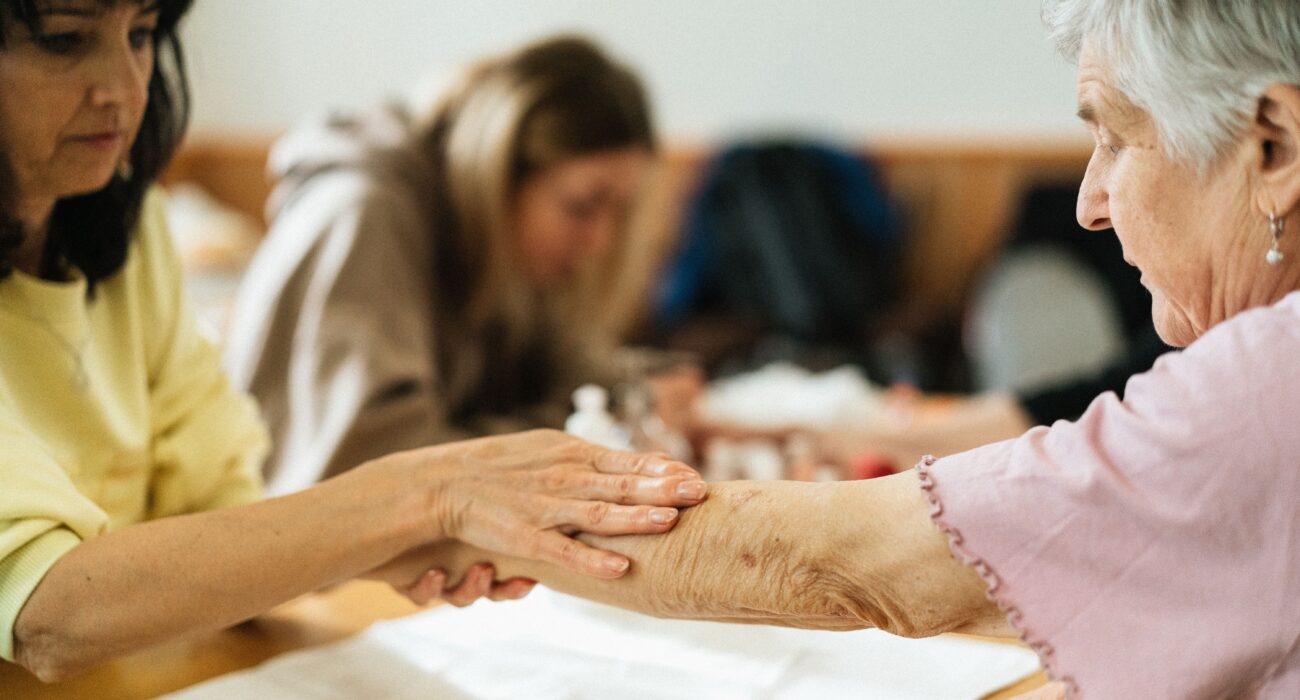
Falls are the leading cause of injury among older adults, and also one of the most preventable. According to the Centers for Disease Control and Prevention, more than 1 in 4 adults age 65 and older falls each year, yet less than half tell their doctor. A few practical changes around the home can meaningfully reduce that risk. Here’s a room-by-room guide for families in Arlington, Mansfield, and across the DFW area.
Why Falls Are the #1 Safety Risk for Seniors Aging in Place
Falling once roughly doubles the chances of falling again, according to CDC data, which makes early prevention especially important. Falls are also a leading cause of both fatal and non-fatal injuries among older adults, often resulting in hip fractures, head injuries, or a long, difficult recovery that affects independence going forward. The good news: most home fall risks are fixable once you know where to look.
Bathroom Safety (The Highest-Risk Room)
Wet, hard surfaces make the bathroom the single riskiest room in most homes.
- Install grab bars near the toilet and inside the shower or tub, mounted into wall studs, not just adhesive-mounted
- Use a non-slip mat or textured strips inside the tub/shower floor
- Consider a raised toilet seat if standing up is difficult
- Add a shower chair for seniors who tire easily or feel unsteady standing
- Make sure the bathroom floor stays clearly visible with good lighting, a nightlight helps for overnight trips
Kitchen and Stairs
- Keep frequently used items within easy reach, avoid needing a step stool for daily essentials
- Clean up spills immediately, and keep floors clear of cords or clutter
- Ensure stairways have secure handrails on both sides where possible
- Mark the edge of each step with contrasting tape if the stairs are dim or uniformly colored
- Remove or secure loose stair runners and rugs
Lighting and Pathways Throughout the Home
- Add nightlights along the path from bedroom to bathroom
- Ensure light switches are accessible at both ends of hallways and staircases
- Remove loose throw rugs, or secure them firmly with non-slip backing
- Keep walkways clear of furniture, cords, and clutter, especially in frequently walked paths
- Consider motion-sensor lights for hallways and entryways
Emergency Response Planning
Even with strong prevention in place, it’s worth planning for what happens if a fall does occur:
- Medical alert systems. Wearable devices that connect to emergency services with the push of a button give both your parent and your family real peace of mind.
- Regular check-in routines. A daily phone call or visit means a fall doesn’t go unnoticed for hours.
- A clear emergency plan. Make sure your parent knows exactly what to do, and who to call, if they fall and can’t get up on their own.
How a Caregiver’s Presence Reduces Fall Risk Beyond Home Modifications
Home modifications matter, but they only address part of the picture. A trained in-home caregiver adds a layer of protection that fixtures alone can’t: a steady arm during transfers, a second set of eyes for hazards that develop over time (a fraying rug edge, a burnt-out bulb), and someone present during the highest-risk moments of the day, getting in and out of the shower, navigating stairs, or moving around at night. For families managing fall risk from a distance, this kind of regular, hands-on presence is often what actually closes the gap that home modifications alone can’t.
Frequently Asked Questions
What’s the single most important fall prevention change to make first?
If you can only do one thing, start with the bathroom, it’s the highest-risk room in most homes, and grab bars plus a non-slip mat address the most common bathroom fall scenarios directly.
Are medical alert systems worth it if my parent already has a caregiver?
Yes, they’re complementary, not redundant. A medical alert system covers the hours a caregiver isn’t present, which matters even with regular in-home support.
How do I bring up home safety changes without my parent feeling like their independence is being taken away?
Frame it as protecting their independence, not limiting it. Most home safety modifications, grab bars, better lighting, are aimed at helping someone stay in their home longer and more safely, not at restricting them. If this conversation feels difficult, we’re happy to help you think through how to approach it.
Want a Second Set of Eyes on Home Safety?
A professional home safety assessment can catch risks that are easy to miss during a regular visit. We’re happy to walk through your loved one’s home with you, at no cost, and talk through what kind of in-home support might help.
Call us at 682-267-0724 or schedule a free consultation. We serve Arlington, Mansfield, Dallas, and the surrounding DFW area.
Sources: Centers for Disease Control and Prevention (CDC), Older Adult Fall Prevention.